


FIELDLUME Guides
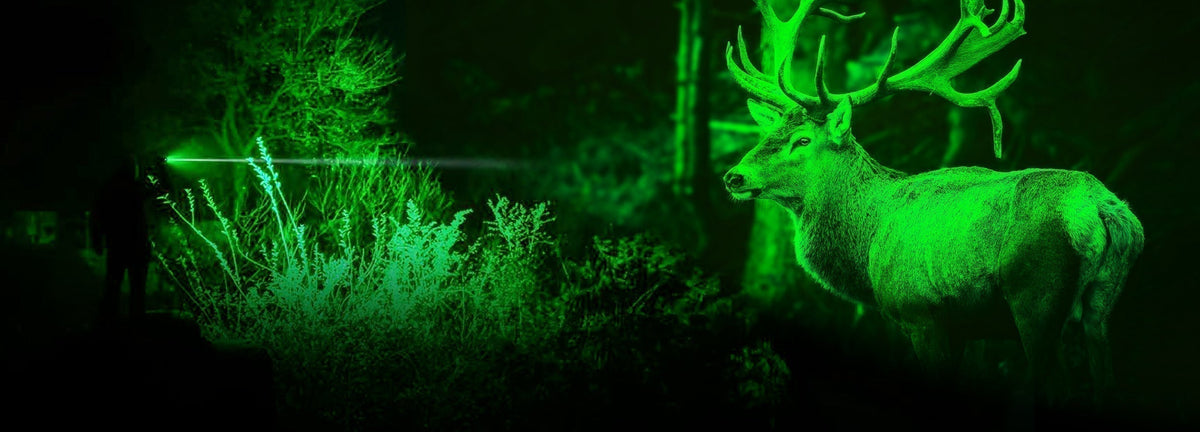
Red vs Green Light: Which Beam Color Is Better for Night Use?
Red and green flashlight beams behave differently after dark. Learn when red light, green light or white light makes more sense for low-light outdoor use.
Read moreabout Red vs Green Light: Which Beam Color Is Better for Night Use?
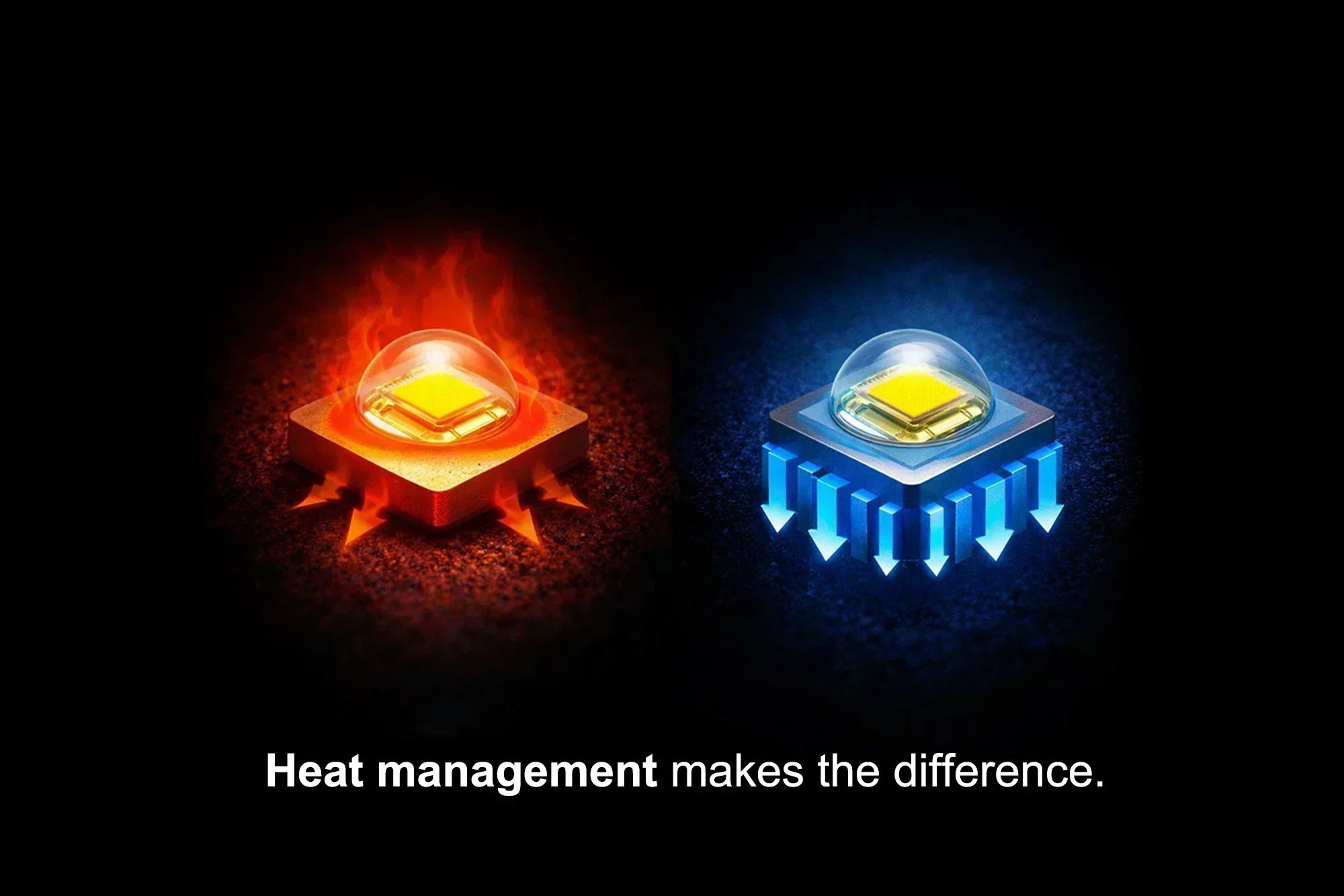
Why Does Your Flashlight Get Hot?
High-output flashlights can become warm during use. Here’s where the heat comes from and how thermal management affects real-world performance.
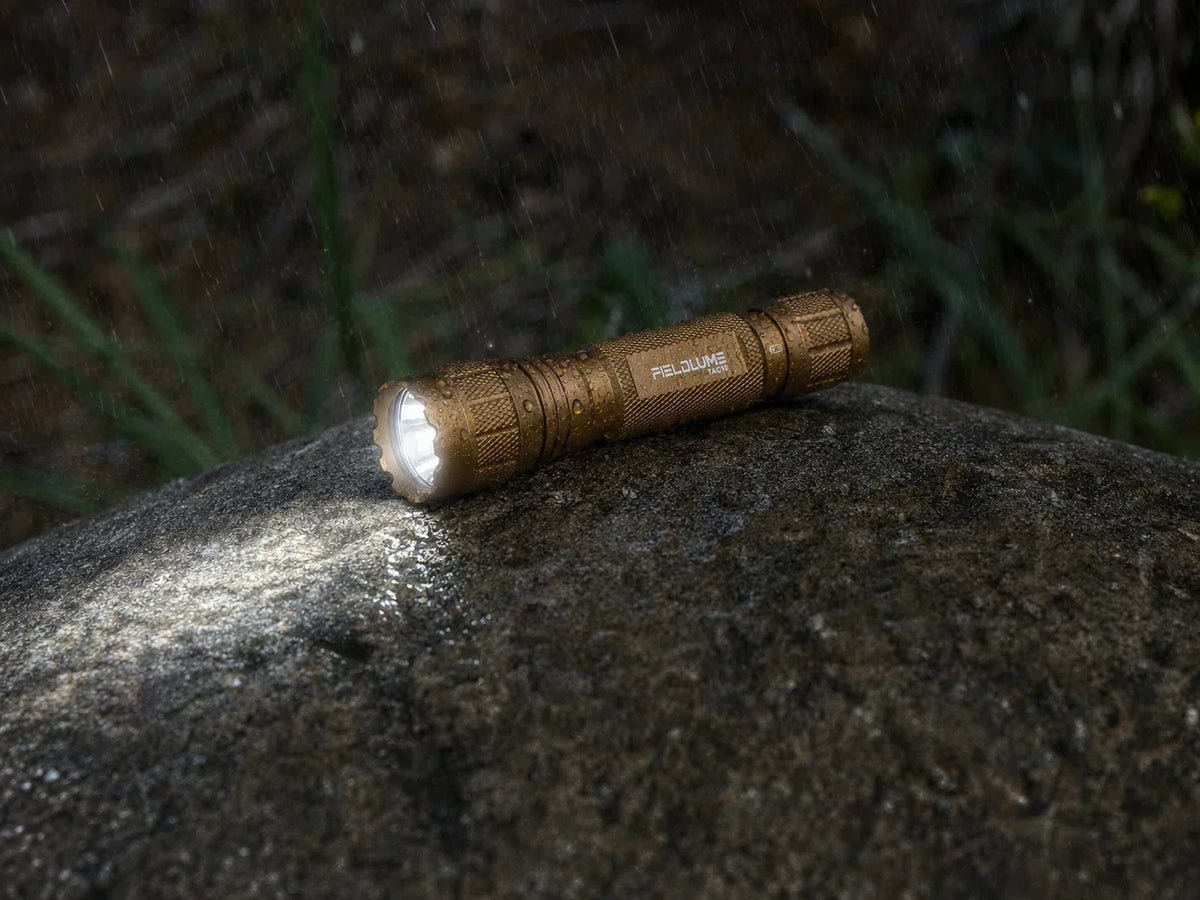
IP65 vs IP68: What Do Flashlight Water-Resistance Ratings Mean?
IP65 and IP68 describe different types of protection from dust and water. Here’s what the numbers actually mean when choosing a flashlight.
Read moreabout IP65 vs IP68: What Do Flashlight Water-Resistance Ratings Mean?
Why Do High-Lumen Flashlights Step Down?
High-output flashlights may reduce brightness after running on Turbo. Here’s why thermal step-down happens and why it is often part of normal flashlight operation.
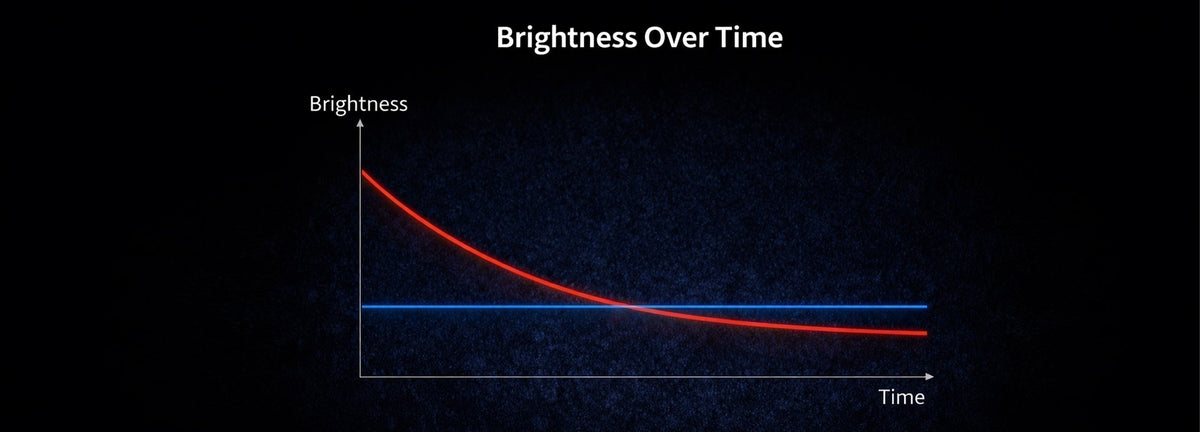
Why Do Some Flashlights Stay Bright While Others Gradually Dim?
The LED is only part of a flashlight. The driver circuit controls how power reaches it—and that can affect how brightness changes during use.
Read moreabout Why Do Some Flashlights Stay Bright While Others Gradually Dim?
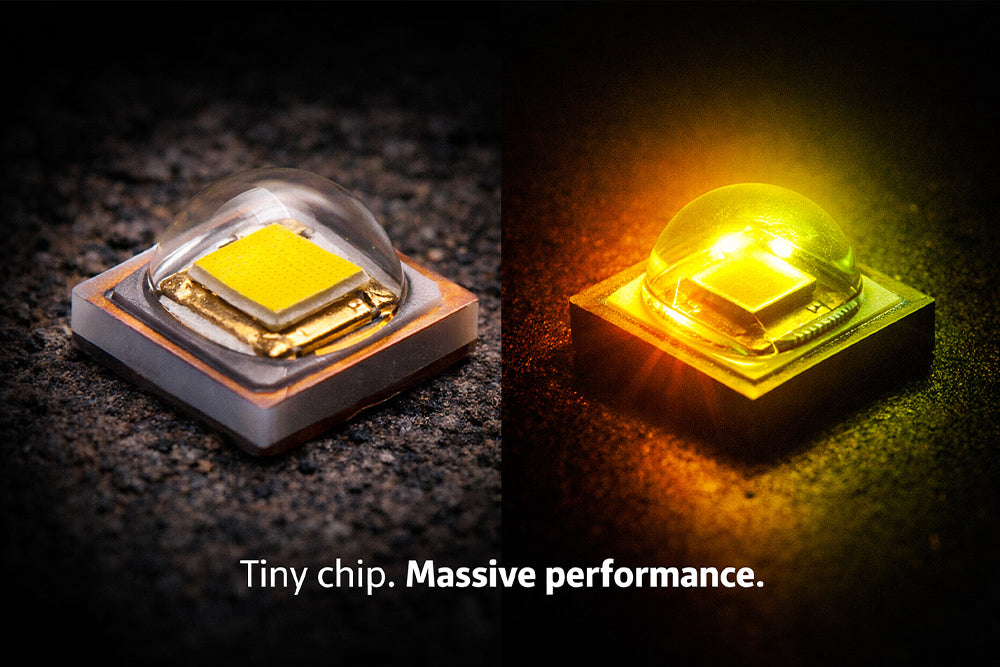
Modern flashlights use LEDs to turn electrical energy into light. Here’s a simple explanation of how LEDs work and what actually affects flashlight performance.
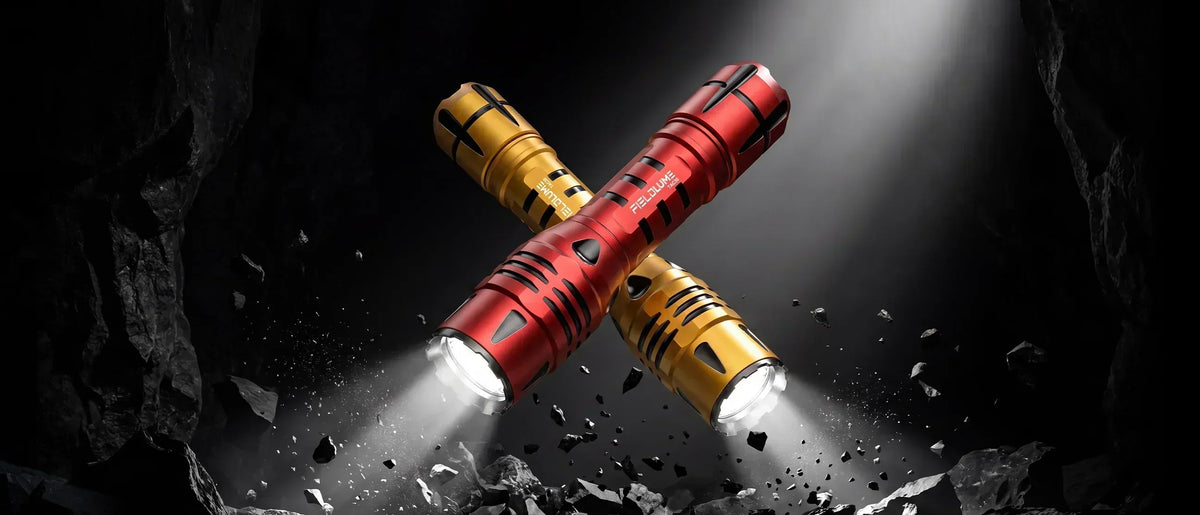
What Is Type III Hard Anodizing? Why Flashlights Use It
Type III hard anodizing is widely used on aluminum parts that need a harder, more wear-resistant surface. Here’s what the process actually does—and what “military-grade” really means.
Read moreabout What Is Type III Hard Anodizing? Why Flashlights Use It

How CNC-Machined Aluminum Flashlight Bodies Are Made
Learn how CNC machining is used to shape aluminum flashlight bodies and why this manufacturing method is common in durable, precision-built flashlights.
Read moreabout How CNC-Machined Aluminum Flashlight Bodies Are Made
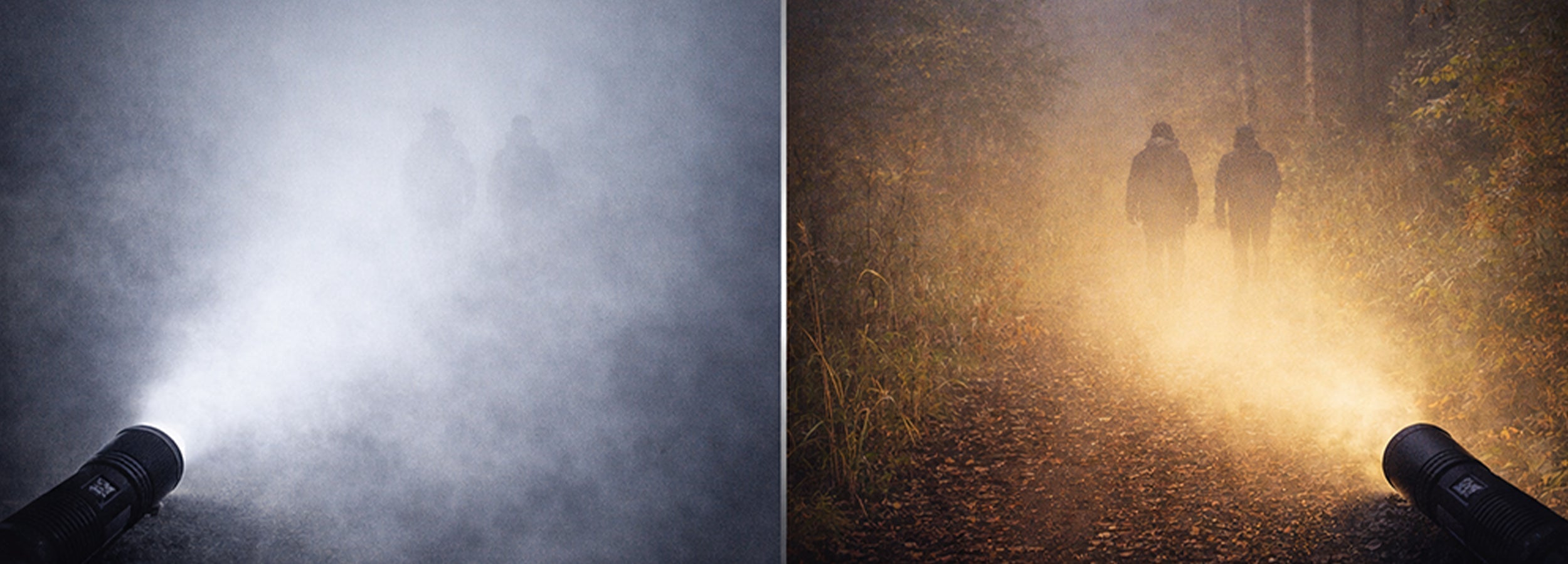
Flashlight Color Temperature Guide: Cool White vs Neutral vs Warm White
Learn how flashlight color temperature affects beam appearance and visibility, and compare cool, neutral and warm white light for different uses.
Read moreabout Flashlight Color Temperature Guide: Cool White vs Neutral vs Warm White