


How CNC-Machined Aluminum Flashlight Bodies Are Made
A flashlight body may look simple, but producing one requires much more than shaping a metal tube.
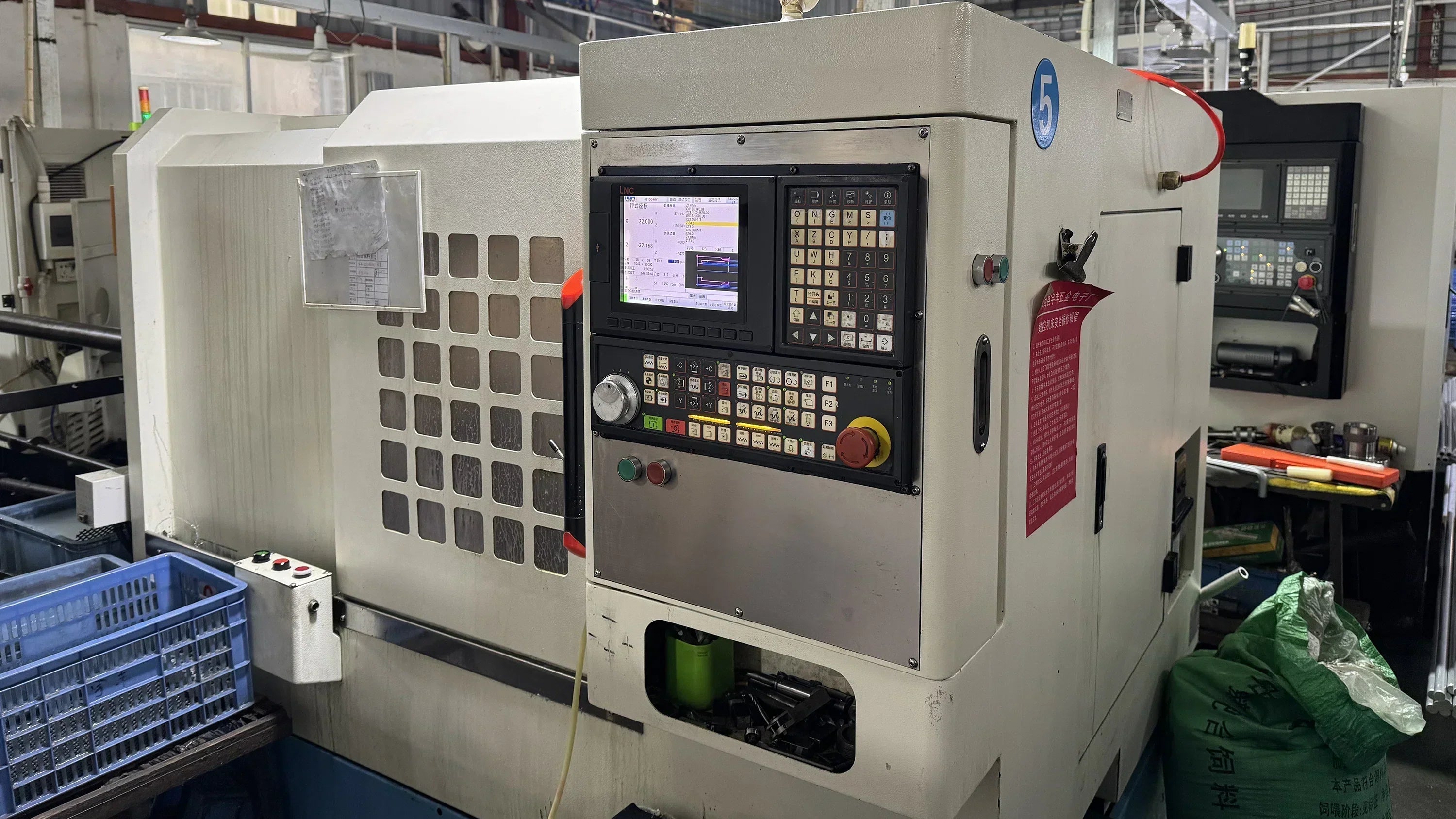
Many aluminum flashlights use CNC machining to create the body, threads, grooves and other structural details with controlled dimensions.
So what is CNC machining, and why is it commonly used for flashlights?

Precision-Machined for Real-World Use
The FIELDLUME TAC30 Tactical Flashlight uses a CNC-machined aluminum body designed around frequent handling and outdoor use.

What Is CNC Machining?
CNC stands for Computer Numerical Control.
In CNC machining, computer-controlled cutting tools remove material from a piece of metal until the required shape and dimensions are produced.
For flashlight manufacturing, this process can be used to create details such as:
- the main body shape;
- battery compartments;
- threads;
- cooling fins;
- grip surfaces;
- openings and mounting features.
Because the cutting process is computer controlled, manufacturers can repeatedly produce complex parts to defined dimensions.


Why Is Aluminum Commonly Used?
Aluminum is widely used for flashlight bodies because it offers a useful combination of:
- relatively low weight;
- mechanical strength;
- good thermal conductivity;
- corrosion-resistant surface-treatment options;
- ease of machining.
Heat management is particularly relevant in higher-output flashlights because LEDs and electronics generate heat during operation.
The flashlight body can form part of the overall thermal-management system by helping transfer heat away from internal components.
Does CNC Machining Automatically Mean Better Quality?
No.
CNC machining is a manufacturing method, not a guarantee of overall product quality.
The final result still depends on factors such as:
- aluminum alloy;
- machining tolerances;
- wall thickness;
- thread design;
- surface treatment;
- sealing;
- assembly quality.
A poorly designed product does not become excellent simply because CNC machines were used to manufacture it.
That is why it is better to look at the complete flashlight construction rather than relying on one manufacturing term.

CNC Machining and Surface Finishing Are Different Steps
Machining creates the physical shape of the aluminum body.
Surface treatments such as Type III hard anodizing are applied afterward for a different purpose.
CNC machining determines the geometry of the part, while hard anodizing changes the characteristics of the aluminum surface.
These two processes often work together, but they should not be confused.
Learn more: Type III Hard Anodizing Explained →
A Real-World Example: FIELDLUME TAC30
The FIELDLUME TAC30 uses a CNC-machined aluminum body together with Type III hard anodizing.
This is a practical example of how manufacturing and surface treatment can work together:
CNC machining creates the body and structural details.
Type III hard anodizing provides a harder, wear-resistant aluminum surface.
Neither process makes a flashlight indestructible, but both can contribute to a construction designed for frequent use.
Key Takeaway
CNC machining allows manufacturers to create detailed aluminum flashlight bodies with controlled dimensions and repeatable geometry.
But CNC machining alone does not determine flashlight quality.
The complete product still depends on:
material + design + machining + surface treatment + sealing + assembly.
That full system matters more than any single manufacturing term.
See CNC-Machined Construction in Real Use
The FIELDLUME TAC30 Tactical Flashlight combines a CNC-machined aluminum body with Type III hard anodizing as part of its field-oriented construction.

Share:
Flashlight Color Temperature Guide: Cool White vs Neutral vs Warm White
What Is Type III Hard Anodizing? Why Flashlights Use It